Stella Scott: Archive
Archive
Stella Scott (b. 1984, London) lives and works in London. She studied at Chelsea School of Art and Central Saint Martins, London.
She grew up on a busy residential street in South London, raised by parents whose interest in parenthood was eclipsed by their interest in art. She was there to witness loud, vivacious and wayward behaviour, and remembers an early desire to document the extraordinary in the everyday.
Her practice is rooted in documentation through research, photography, interviews and reenactments. Her years as a participatory filmmaker at Kids Company shaped and decided the way she works with individuals and communities: my work is made with transparency, and her role as co-creator, observer and writer is led by her own personal story. She draws on her past and personal experience and often finds herself trying to capture on screen her relationship with her mother, father and childhood friends.
She explores her intimate relationship with London and the South East, in new imaginative settings. With socialist parents, always critical of British identity around class division, she knew that she needed to befriend it, to understand it better. She’s drawn to events that disrupt societal tropes and taboos. She’s interested in eccentrics and transgressors; the ritual of belonging; and the inherent inflexibility of tradition. The hysteria and brutality in the ever-shifting cracks in these spaces fascinates her. The promise of narrative supports voyages into spaces that might seem overlooked or discarded. Her work often deals with memory, embodiment, and emotional inheritance.
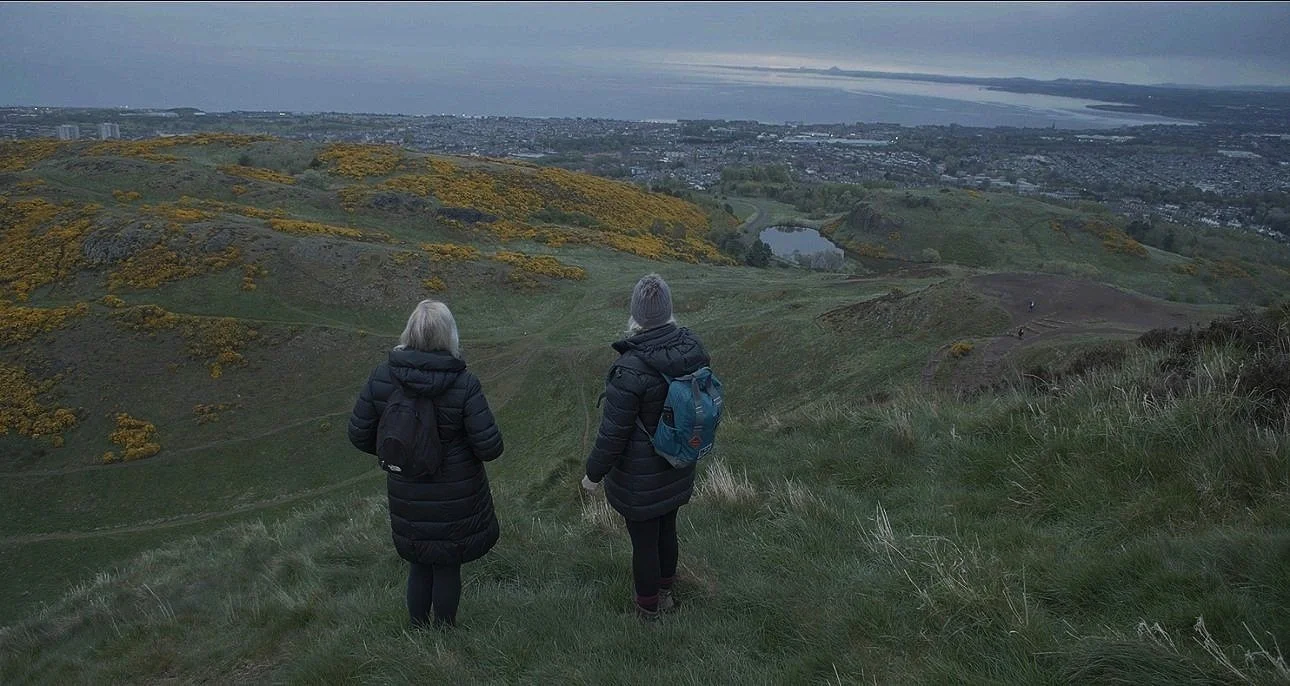
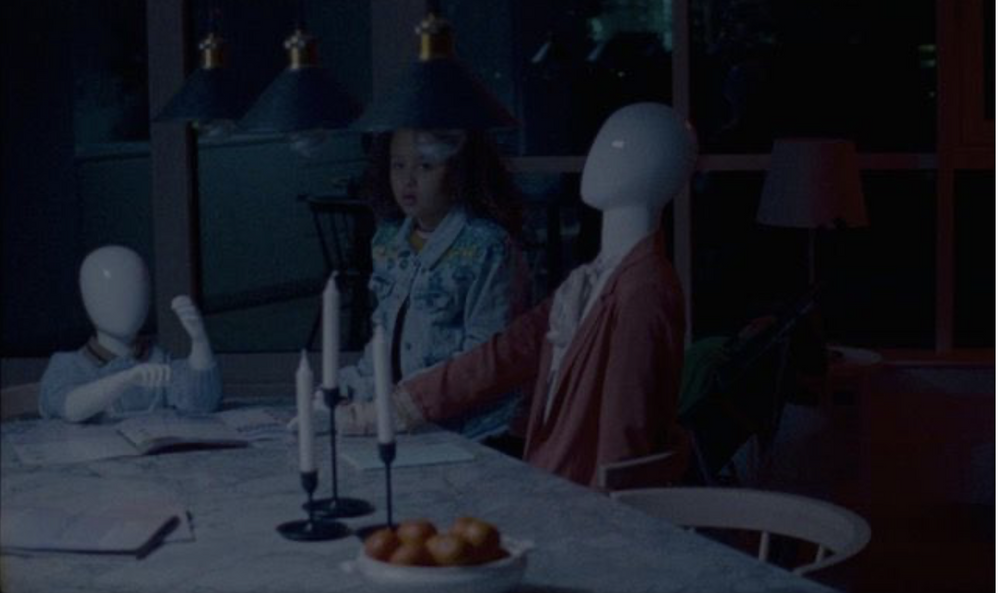
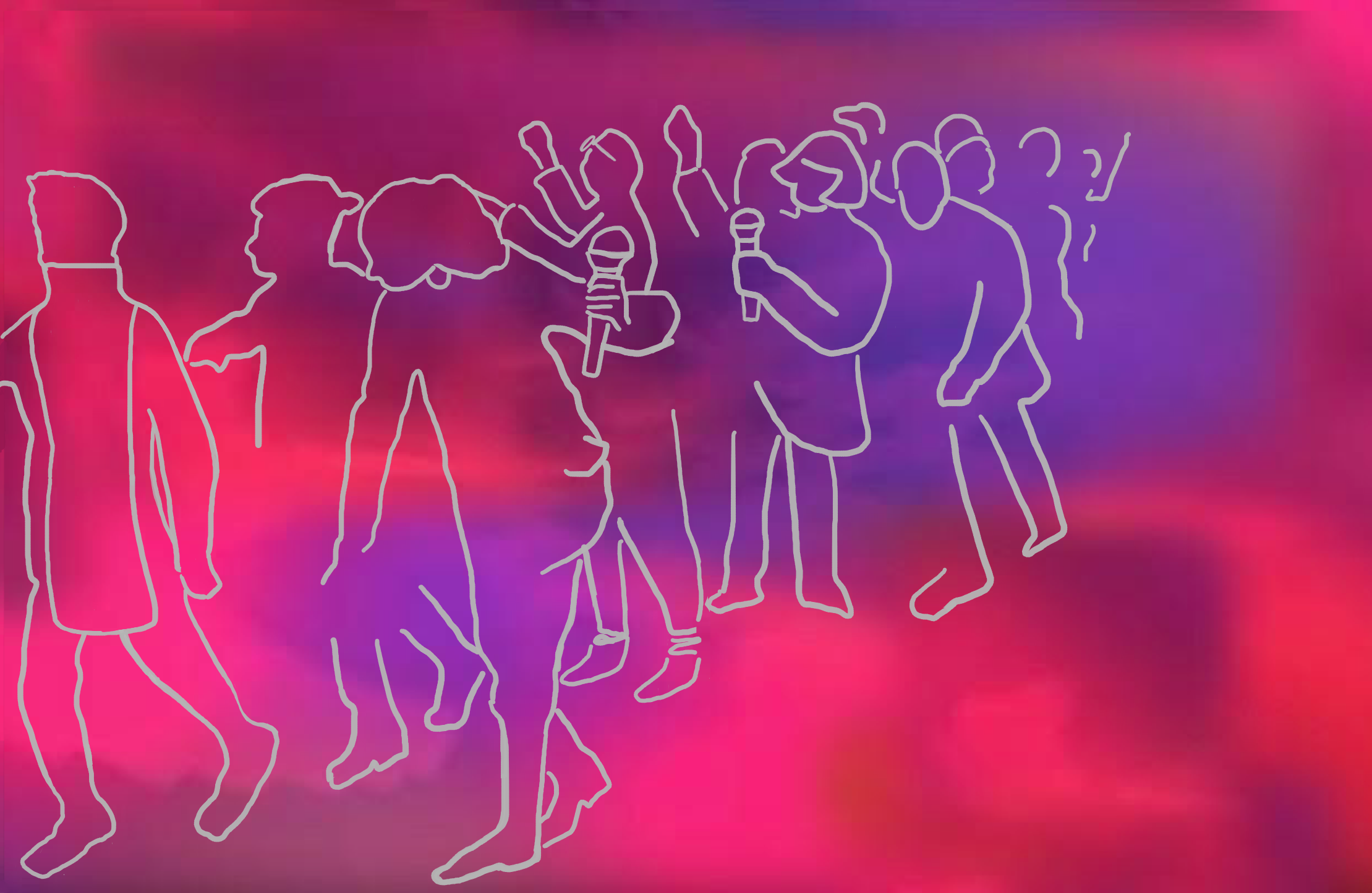
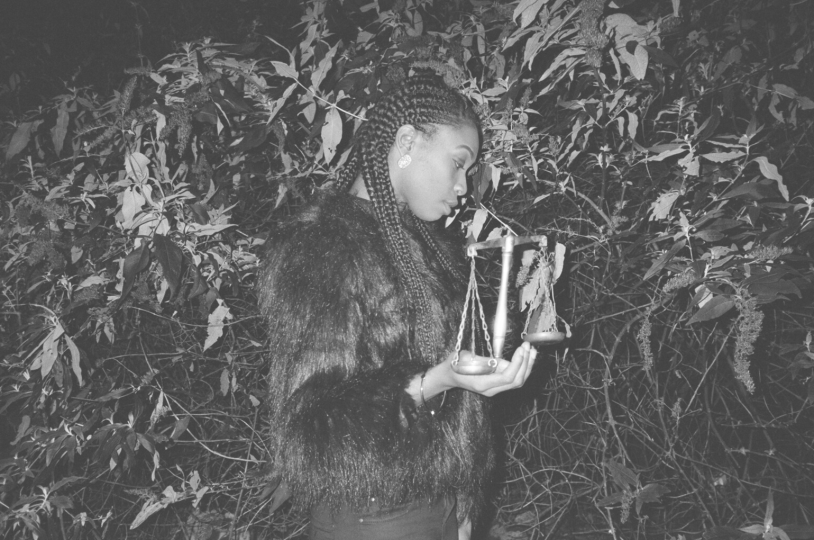
Most recently, Cedar Milk (2023), looks at the female experience within an eco-religious sect spreading from Siberia throughout the world. Gerry’s Pompeii (2022) follows a collective effort to save an art installation discovered in a West London flat. Lynn and Linda (2022) looks at our relationship with British rituals and traditions through the reenactment of May Dew, now on the cusp of living memory. Her ongoing project Mayday follows traditions from across the UK with first-person experiences. Bulldozer (2021) conceived with the residents of Focus E15 Campaign, speaks to the current housing crisis in London. Ball of the Wild Men (2021) explores our relationship with wildlife via myths of the Green Man. Jezebel (2019) reenacted a play that revisited a young person’s previous life, in Poland. Human Microphone (2019) was commissioned as part of Art Night 2019, amplifies voices through the power of singing through the genre of the karaoke video. To Spoor A Stockroom (2019) documented the traces of former workers in a condemned building, exploring changing consumer modes and was recorded in collaboration with Debenhams staff. Reverie (2017) was a collaboration with 50 young people, exploring their subconscious through a series of workshops; their engagement directed the main ideas of the film and exists online as #thisisreverie. Mr Flea (2017) captured a moment with her father, soon after he was diagnosed with vascular dementia, which partners with the documentary-led follow-up Nights Pass Slow (2021). The Fox and Goldfinch (2016), was a collaboration with her mother who searches for wildlife in London; her and her friend’s existence summarised in a fairytale narrative combined with postcard shots of London. The follow-up, Of Space and Time (2021) was commissioned as part of Reverse Perspectives. Her early films, Street Angel (2015) transformed a card reader’s reality into myth. Finding Hal (2010) was an attempt to relocate a long lost childhood friend, and her first film Show and Tell (2009) was a co-creation with service users from the charity Kids Company.
Stella likes to blur borders in filmmaking, testing and developing her own language across documentary, art and fiction genres with what feels like a very British perspective, engaged with tropes of our identity. As a child she loved morality tales, especially old folklore and fantasy films. Escapism is key to her practice. She creates an altered framework with an experimental, theatrical and visual edge; a parallel world just beyond the known, where viewers can see the familiar with fresh eyes. Her work leads with handheld cinematography to create uninterrupted immersive experience, to attempt to capture the essence of real life, and she often blurs the line between human and animalistic behaviour, reinforcing a visceral instinctual realism.
Her practice has expanded into collaborations with institutions such as the BBC Film, Tate, National Theatre and Dazed Digital.